Chef in Training SVG: A Designer's Embroidery Review
As someone who has spent years navigating the intersection of digital design files and physical stitching, I approach every new Chef in Training SVG with a critical eye. In the world of Crafts and Graphics, a file that looks crisp on a screen can sometimes translate poorly to thread and fabric. My goal today is not just to describe this funny kitchen sign design but to evaluate its potential as a functional machine embroidery design for your real-world projects. Whether you are an Etsy seller looking for your next bestseller or a hobbyist creating a personalized gift, understanding how this specific graphic behaves under the needle is crucial.
First Impressions: Visual Personality and Mood
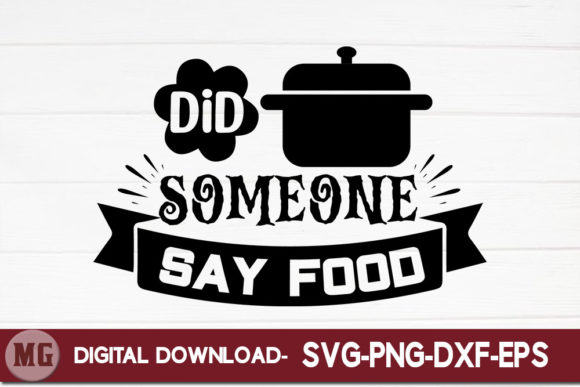
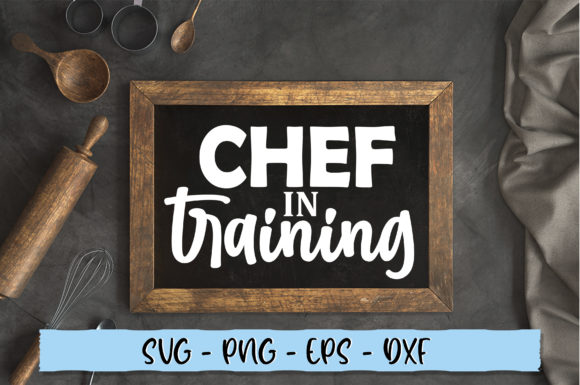
When I first opened the Chef in Training SVG, the immediate vibe was playful and lighthearted. It clearly leans into the "funny kitchen sign" aesthetic, which is a perennial favorite in the home decor and custom apparel markets. The layout suggests a character-driven approach, likely featuring a small figure or icon paired with bold typography. For an embroidery project, this kind of visual personality is gold. It creates an instant emotional connection, making it perfect for baby showers, graduation gifts for culinary students, or even humorous holiday embroidery items.
However, the translation from a flat digital image to a textured embroidered patch requires careful consideration. The design assets here seem to rely on clean lines and distinct shapes. This is generally positive for satin stitch applications, where definition is key. If the original vector includes very fine details or tiny lettering, those elements might need simplification before converting them into a digital embroidery file. A professional finish depends on ensuring that every curve and corner translates smoothly without bunching up thread.
Real-World Application: From File to Finished Product
Let’s talk about a practical scenario. Imagine you are preparing a custom embroidered tote bag for a local craft fair. You want something that stands out but feels handmade and personal. The Chef in Training SVG fits this brief perfectly. On a sturdy canvas tote, the design would pop, especially if you choose high-contrast thread colors against the natural fabric texture. The durability of the tote bag means the embroidery will withstand frequent washing, provided the stitch density is balanced correctly.
Consider another use case: a sweatshirt embroidery project for a child entering cooking classes. Here, the softness of the knit fabric becomes a factor. You would need to use a proper stabilizer to prevent the fabric from puckering around the design. Because the theme is "Chef in Training," it naturally belongs on baby clothes, aprons, or even caps. On a curved surface like a cap, the design must be positioned carefully to avoid distortion. If the graphic is too wide, it might warp when stitched onto the rounded front panel. Always test the design on scrap fabric first to see how the hoop size accommodates the curvature.
For boutique branding or small shop products, this design offers versatility. It could serve as a logo for a children's cooking class or a decorative accent on tea towels. The key is consistency. If you are selling these as part of a larger collection, ensure the style matches your other design assets. A whimsical chef graphic shouldn't be paired with overly formal or gothic typography; the mood must remain cohesive to build customer trust and brand recognition.
Navigating Fabric and Stitch Challenges
While the Chef in Training SVG is promising, there are areas where caution is required. Thin fabrics, such as silk or lightweight cotton, can struggle with dense fill stitch areas. If the design includes large blocks of color, you risk the backside of the fabric showing through or the material stretching out of shape. In these cases, using a tear-away or cut-away stabilizer is non-negotiable. Similarly, stretchy fabrics like jersey knits require extra support to maintain the integrity of the embroidery file during the stitching process.
Dark fabrics present another challenge. To make the design visible, you may need to add a layer of white underlay or use an applique design technique where the fabric itself forms the background. Without this, the thread colors might get lost, diminishing the visual appeal of the finished product. Additionally, detailed corners and tiny lettering are prone to breaking down over time, especially on items that undergo frequent washing. Always inspect small details in your preview software and consider enlarging text slightly if it falls below 6mm in height.
Professional Tips for Maximum Impact
To get the most out of this machine embroidery design, I recommend a few specific steps. First, review the stitch density. High-density areas can cause fabric distortion, while low-density areas might leave gaps. Adjusting the pull compensation in your digitizing software can help achieve a smoother look. Second, test the design in black and white mockups before committing to expensive thread colors. This helps you visualize the contrast and ensures the layout works on both light and dark fabric backgrounds.
As a commercial embroiderer or digital product seller, you must also confirm licensing terms. The description notes that this is a digital download for various purposes, but always verify if you can sell finished items containing the design. Many designers restrict the sale of physical goods made from their graphics unless a specific commercial license is purchased. Never assume; check the terms to protect your business. Finally, create printable mockups to showcase the design in different contexts. Seeing the Chef in Training SVG on a pillow cover, a hat, and a shirt side-by-side helps potential buyers visualize the possibilities, increasing engagement and sales.
Final Verdict for Crafters and Entrepreneurs
The Chef in Training SVG is a solid addition to any creator's library, particularly for those focusing on personalized gifts and custom apparel. Its playful nature makes it highly giftable, appealing to parents, teachers, and food enthusiasts alike. However, its success lies in execution. By paying attention to stabilizer choice, thread contrast, and fabric compatibility, you can transform this simple graphic into a high-quality handmade product. Whether you are running a small shop product line or creating one-off pieces for friends, this design offers a fun, versatile foundation for your next embroidery project. Just remember: the magic happens not just in the file, but in how thoughtfully you bring it to life with thread and care.