Culinary Gangster Funny Chef Cooking Review
As a designer who has spent years translating digital graphics into tangible stitched products, I approach every new asset with a critical eye. When I first opened the Culinary Gangster Funny Chef Cooking file, my immediate reaction was one of amusement followed by a practical assessment of its potential in a real-world craft business. This isn't just another cartoon chef; it carries a distinct personality that screams "kitchen boss" with a wink. The concept blends the high-energy chaos of cooking with the tough-guy aesthetic of a mobster, creating a visual narrative that is instantly engaging. For anyone running a small shop product line or looking for a standout personalized gift, this design offers a unique hook that separates it from generic culinary themes.
The Visual Impact and Design Personality
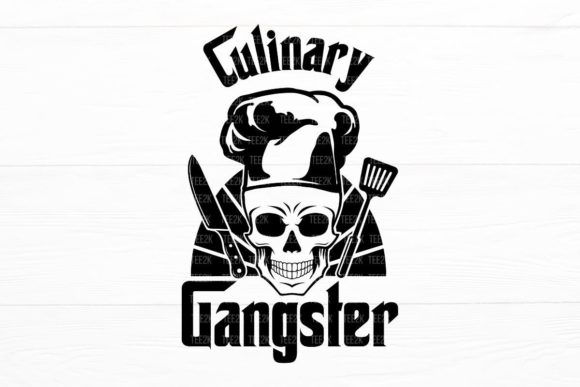
The layout of Culinary Gangster Funny Chef Cooking is bold and character-driven. The figure is dynamic, likely holding a utensil like a spatula or ladle as if it were a weapon, which adds movement to what could otherwise be a static image. In the realm of Graphics, the lines appear clean, which is promising for both cutting machines and embroidery digitization. However, the true test lies in how these lines translate to thread. The humor relies on the expression and posture of the chef. If the digitizer has maintained the sharp angles of the gangster hat or the brim of the toque, the finished product will have that necessary punch. If those details are lost in translation to a low-density fill stitch, the joke falls flat.
From a mood perspective, this design fits perfectly into the "funny kitchen" category but elevates it with an edgy twist. It suggests confidence, perhaps even a bit of rebellion against the idea that cooking should be pristine and quiet. This makes it an excellent candidate for custom apparel where the wearer wants to make a statement. Whether it's a sweatshirt for a head chef or a tote bag for a home cook who takes their dinner prep seriously, the visual weight of the character commands attention.
Real-World Application: The Custom Apron Scenario
To truly evaluate this asset, I visualize a specific project: a heavy-duty canvas apron for a local food truck owner or a boutique kitchenware brand. Imagine placing Culinary Gangster Funny Chef Cooking on the chest pocket area or centered on the bib. The contrast between the rough texture of the canvas and the detailed embroidery would create a tactile, premium feel. In this scenario, the design acts as a badge of honor. Customers buying this aren't just getting an apron; they are buying into a persona. They want to feel like the "boss" of their kitchen.
For an Etsy seller or a craft business owner, this type of design drives engagement. It tells a story before the customer even reads the description. When I look at the potential for a tote bag design, the scale becomes important. On a large tote, the character can breathe, allowing the intricate details of the chef's outfit to shine. However, shrinking this down for a cap requires careful consideration. The hoop size limitations might force a reduction in detail, potentially blurring the facial expression that sells the humor.
Navigating Technical Challenges and Fabric Choices
While the concept is strong, the execution depends heavily on the materials chosen. Culinary Gangster Funny Chef Cooking features elements that could be tricky on certain fabrics. For instance, using this on thin or stretchy fabric like jersey knit t-shirts without proper backing is a recipe for puckering. The density required to fill the chef's jacket or the background elements needs a robust stabilizer. I always recommend testing the design on scrap fabric first to check the stitch density. If the satin stitch borders are too wide, they may collapse on curved surfaces or stretchy garments.
Dark fabrics present another challenge. While the design looks great in black and white mockups, stitching light-colored thread onto a dark sweatshirt requires precision. The thread colors must pop against the background to maintain the visual clarity of the "gangster" elements. A poorly chosen color palette could make the chef blend into the shirt, losing the impact. Conversely, on a light-colored pillow cover or tea towel, the design might need darker outlines to ensure the details remain crisp after multiple washes.
One area to exercise caution is the lettering. If the design includes text like "Boss of the Kitchen" or similar phrases, tiny fonts can become illegible when embroidered. Running stitch or very fine satin stitches on small text often result in gaps or bleeding. As a reviewer, I advise checking the smallest font size in the machine embroidery design file. If the text is smaller than 0.25 inches, consider enlarging the overall design or removing the text entirely for cleaner results on items like baby clothes or small patches.
Commercial Viability and Brand Consistency
For those looking to sell finished goods, Culinary Gangster Funny Chef Cooking has significant commercial appeal. It fits well within the holiday embroidery market, specifically for Christmas gifts for cooks, Father's Day, or bridal showers with a humorous twist. The design's versatility allows it to work across various categories, from embroidered patch collections to baby embroidery (perhaps for a future chef). However, consistency is key. If you are building a brand around funny kitchen gear, this design aligns perfectly. If your brand is strictly elegant or minimalist, this graphic might clash with your overall aesthetic.
Before listing this as a digital product or selling items made from it, verify the licensing terms. The product description notes it is a Digital Product available in SVG, PNG, and EPS formats, suitable for Cricut machines. While this confirms its utility for cutting vinyl or heat transfer, it does not automatically guarantee commercial rights for embroidery unless specified. Always confirm whether you can sell the physical finished product or just use it for personal projects. Using a design without the correct license can damage your reputation and lead to legal issues.
Practical Designer Notes for Success
- Test First: Never skip the test run on scrap fabric. Check for puckering, especially around the chef's face and hands.
- Stabilizer Matters: Use a cutaway stabilizer for stretchy fabrics like sweatshirts to prevent distortion over time.
- Color Contrast: Ensure the thread colors provide enough contrast against the base fabric. Test on both light and dark swatches.
- Mockup Reality: Create printable mockups in black and white to see if the design holds up without color reliance.
- Licensing Check: Confirm you have the right to sell items featuring Culinary Gangster Funny Chef Cooking commercially.
- Placement Strategy: Consider the garment construction. Avoid placing dense embroidery over seams or zippers.
In conclusion, Culinary Gangster Funny Chef Cooking is a vibrant, personality-packed asset that can elevate a standard craft project into a conversation starter. Its success depends on the designer's ability to adapt it to the right medium and fabric. With careful attention to stitch density, stabilizer choice, and placement, this design can become a bestseller in any handmade shop or a cherished piece in a home collection. It bridges the gap between simple Graphics and functional art, proving that even a funny chef can command respect in the world of professional embroidery.