Funny Bunny Sublimation: A Designer's Practical Review
As a designer who has spent years navigating the intersection of digital graphics and physical textile production, I approach every new asset with a critical eye. The market is flooded with Crafts and Graphics, but few translate well from a screen to a finished product. When I first encountered the Funny Bunny Sublimation design, my initial reaction was one of cautious optimism. It promises a playful aesthetic, but in the world of embroidery and sublimation, "funny" can sometimes mean "fussy," and "cute" can often lead to registration nightmares. Let’s dive into how this specific design holds up when we move beyond the mockup and into real-world application.
The First Impression: Visual Weight and Character
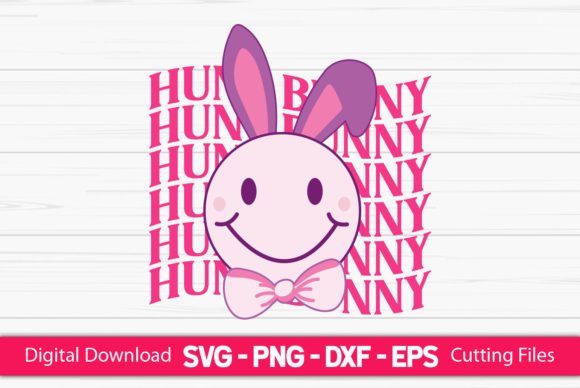
At a glance, the Funny Bunny Sublimation file presents a charming character that immediately signals a lighthearted mood. The layout is balanced, avoiding the common pitfall of designs that are too top-heavy or lack visual anchors. However, as an experienced reviewer, I am not just looking at the lines; I am mentally converting them into stitches. The shape suggests a moderate level of detail, which is promising for custom apparel but requires careful consideration for smaller applications.
The personality of the bunny feels versatile. It could easily anchor a baby embroidery project on a onesie or serve as a whimsical accent on a kitchen towel. The curves appear smooth, which is essential for maintaining the integrity of the image during the digitization process if you are converting it for a machine, or ensuring clean cuts if using it for vinyl applique. The visual weight is distributed evenly, suggesting that it will look substantial without overwhelming the fabric it sits upon.
Real-World Application: From Screen to Stitch
To truly evaluate this asset, I imagined a specific scenario: preparing a limited run of personalized tote bags for a local craft fair. The goal was to create a handmade product that felt boutique-quality yet mass-producible. In this context, the Funny Bunny Sublimation design shines. On a sturdy cotton canvas tote, the bold lines of the bunny would likely translate beautifully into a dense fill stitch or a crisp cut-out for sublimation transfer.
I also considered its potential for sweatshirt embroidery. Fleece and heavy cotton blends can sometimes swallow delicate details, but the robust nature of this bunny graphic suggests it would maintain clarity even on textured fabrics. For an Etsy seller looking to expand their holiday catalog, this design fits perfectly into the category of holiday embroidery or gift-ready items. Imagine it centered on a cozy pillow cover or as part of a matching set for nursery decor. The design’s inherent charm adds immediate value to the finished product, elevating a simple commodity into a desirable personalized gift.
Navigating Fabric and Hoop Constraints
While the design is promising, practical judgment dictates where we must exercise caution. If you are planning to use the Funny Bunny Sublimation on very small hoop sizes, such as those used for caps or hats, you need to scrutinize the smallest elements. Tiny ears or facial features can get lost in the weave of a twill cap or become indistinguishable due to high stitch density. Always test the design on scrap fabric first to ensure the details remain legible after stitching.
Furthermore, consider the fabric texture. On highly textured materials like chenille or thick waffle knit, the fine lines of the bunny might struggle to define themselves clearly. In these cases, simplifying the design or opting for a larger hoop size is crucial. For stretchy fabrics, such as jersey knits used in t-shirts, the stability of the design depends heavily on your choice of stabilizer. Without proper backing, the tension of the embroidery machine could distort the playful shape of the bunny, ruining the professional finish.
Color Strategy and Thread Selection
One of the most engaging aspects of the Funny Bunny Sublimation is its adaptability to different color palettes. As a digital product seller or apparel decorator, you have the freedom to experiment with thread colors to match seasonal trends. However, contrast is key. Placing a light-colored bunny on a white background will result in poor visibility. Conversely, using dark thread on a black garment requires a specific type of underlay to pop.
When evaluating this for commercial embroidery, I recommend creating printable mockups in both black and white to assess the tonal balance before committing to expensive thread purchases. The design works best when there is a clear distinction between the negative space and the filled areas. This ensures that the running stitch outlines hold their shape and the satin stitch borders remain sharp and defined.
Business Viability and Licensing Considerations
For the creative entrepreneur running a craft business, the commercial viability of a design is just as important as its aesthetic appeal. The Funny Bunny Sublimation offers a strong foundation for branding a small shop product line. Its recognizable character can help build brand consistency across various items, from embroidered patches to aprons.
However, before listing these items on your platform, you must confirm the licensing terms associated with the file. The product description notes it is a print-ready file for cutting machines, but does it include rights for embroidered merchandise? Many designers sell files for personal use only, while others offer commercial licenses for finished products. Never assume. Check whether the license allows you to sell items made with the design or if you are restricted to selling the digital embroidery file itself. Using a design without the proper clearance can jeopardize your business reputation and lead to legal issues.
Final Verdict for the Maker
In conclusion, the Funny Bunny Sublimation is a solid addition to any design assets library, provided it is used with intention. It excels in projects that require a touch of humor and warmth, making it ideal for baby items, home decor, and casual wear. Its strength lies in its clear lines and friendly demeanor, which translate well across various mediums.
My advice to fellow makers is to treat this design as a tool rather than a magic solution. Test it on different fabrics, verify your stabilizer choices, and always prioritize the customer experience. By paying attention to the details—from stitch density to thread contrast—you can transform this digital graphic into a high-quality, tangible item that customers will love. Whether you are creating a one-off personalized gift or stocking shelves for a busy season, this bunny brings a level of professionalism and charm that can genuinely elevate your work.