Funny Teacher Definition: A Designer's Review
As someone who has spent years navigating the intersection of digital design and physical stitching, I approach every new machine embroidery design with a critical eye. It is not enough for a graphic to look good on a screen; it must translate flawlessly into thread, stabilizer, and fabric. Today, I am evaluating the Funny Teacher Definition, a digital asset categorized under Crafts and Graphics. While the product listing explicitly notes this as an SVG, PNG, DXF, and EPS file intended for cutting machines like Cricut and Silhouette, the visual language of the design begs the question: could this work as a high-quality embroidered patch or applique? Let us dive into how this concept performs in a real-world studio environment.
First Impressions: Visual Weight and Layout
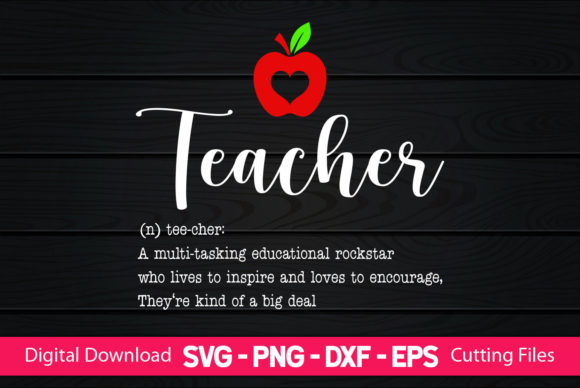
When I first opened the preview of Funny Teacher Definition, my immediate reaction was one of amusement mixed with practical curiosity. The layout relies heavily on typography and perhaps a few illustrative elements to convey the "definition" humor that teachers love. In the world of embroidery project planning, text-heavy designs present unique challenges. The mood is lighthearted and relatable, perfect for the end-of-year gift season or back-to-school merchandise. However, the success of this design hinges entirely on the legibility of the lettering once stitched.
The shape of the text blocks suggests a bold, impactful statement. For a custom apparel item, such as a teacher's tote bag or a sweatshirt, this kind of visual personality is essential. It needs to grab attention from across a staff room or a classroom. If the design features standard sans-serif fonts with open counters, it will likely stitch well. If the font is overly decorative with tight kerning, we risk thread bunching and potential breakage during production. As a designer, I appreciate the clear hierarchy, but I always advise checking the smallest details before committing to a large run.
Real-World Application: From Digital File to Finished Product
Imagine you are preparing a batch of personalized gifts for a local school auction. You want to create a set of durable embroidered patches that can be sewn onto denim jackets or ironed onto canvas bags. This is where Funny Teacher Definition truly shines as a concept. The definition format allows for a blocky, structured look that translates beautifully into satin stitch borders and fill stitch centers. Unlike delicate floral motifs, a text-based definition holds its ground against the rigors of daily wear.
Consider the scenario of decorating a heavy cotton sweatshirt embroidery piece. The design would sit perfectly on the chest or back, offering a professional yet playful aesthetic. For an Etsy seller or a small shop owner, this type of handmade product offers high perceived value. Customers buying these items are often looking for something that speaks their truth, and a witty definition does exactly that. The design assets provided allow for versatility; while the primary use is cutting, the clean lines suggest it could be easily adapted for digitizing if you have the right software skills.
If you are targeting the holiday embroidery market, timing is everything. Teachers are inundated with generic mugs and ornaments. A well-executed finished product featuring this design on a kitchen towel, apron, or even a pillow cover stands out as a thoughtful, custom creation. The key is ensuring the thread colors pop against the fabric background. A dark navy sweatshirt with white and gold thread, for instance, would elevate the commercial embroidery appeal significantly.
Navigating Technical Challenges and Fabric Choices
Despite its potential, there are areas where Funny Teacher Definition requires careful handling. Text-based designs are notoriously unforgiving on textured fabrics. If you attempt to stitch this on a nubby wool sweater or a highly textured linen, the fine details of the letters may get lost in the fabric weave. Similarly, on stretchy materials like jersey knit, the tension required for dense text can cause puckering. Always test your stitch density on a scrap piece of the actual fabric first.
Small hoop sizes are another consideration. If the definition includes multiple lines of text or complex formatting, it might exceed the capacity of a 4x4 inch hoop. Attempting to force a large design into a small hoop can lead to registration errors and uneven stitching. For curved surfaces like caps, the rigid nature of text can be tricky; the fabric distortion around the curve might warp the letters. In these cases, a flat embroidered patch sewn onto the cap is often a safer bet than direct machine embroidery.
Furthermore, thin fabrics require significant support. Without the proper stabilizer, the needle can pull the fabric down, creating holes or ripples. When working with dark fabrics, ensure you have a backing that prevents show-through, especially if using light-colored threads. The contrast between the thread and the material is vital for readability. If the text is too thin, it may not hold up after frequent washing, which is a common requirement for teacher gear.
Practical Notes for Designers and Business Owners
Before integrating Funny Teacher Definition into your workflow, there are several practical steps to take. First, remember that the product description lists this as a print-ready file for cutting machines (SVG, PNG, DXF, EPS). If you intend to use this for embroidery, you will need to digitize it yourself or find a compatible digital embroidery file version. Do not assume the vector lines will stitch automatically; they must be converted into specific stitch types like running stitch, satin stitch, or fill stitch.
Always review the licensing terms carefully. If you plan to sell the finished items—whether as a small shop product or part of a larger craft business—you must confirm that the license permits commercial use of the final goods. Some licenses restrict the number of items you can sell or require attribution. Never assume; check the documentation provided with the download.
Create a black and white mockup to assess the visual balance without the distraction of color. This helps you see if the weight of the letters is consistent. Test the design in different lighting conditions to ensure the thread colors you select provide enough contrast. Finally, consider the longevity of the product. Will this design still look professional after fifty washes? High-quality stitching and appropriate fabric choices are the only way to guarantee that.
Final Verdict on Value and Appeal
In conclusion, Funny Teacher Definition offers a strong foundation for creative entrepreneurs looking to add personality to their inventory. Its appeal lies in its relatability and clear message, making it a standout choice for personalized gifts and boutique branding. However, its success depends entirely on the execution. By respecting the technical limitations of text in embroidery, choosing the right fabrics, and adhering to proper digitizing and licensing protocols, you can turn this graphic into a profitable and beloved craft business staple.
For the hobbyist or the professional decorator, this design represents an opportunity to connect with a specific audience through humor and quality craftsmanship. Just remember to treat the digital file as a blueprint, not the final product. With the right preparation, Funny Teacher Definition can become a signature piece in your collection of design assets, delivering both joy and functionality to every customer who receives it.