No Loafing Around SVG: A Designer's Real-World Review
As a designer who has spent years turning digital files into tangible, stitched goods, I approach every new machine embroidery design with a mix of excitement and skepticism. The market is flooded with generic clip art, so finding a piece that actually translates well from screen to fabric is a rare win. Recently, I evaluated the No Loafing Around SVG, a playful graphic intended for kitchen-themed projects. My goal was to determine if this file holds up under the scrutiny of a professional stitcher or if it falls apart when you try to hoop it up.
The First Impression: Personality and Layout
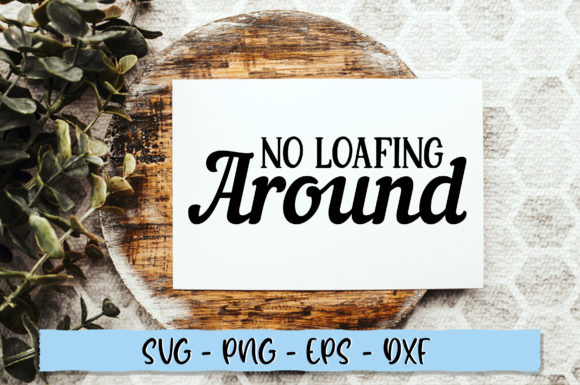
At first glance, the No Loafing Around SVG hits the right emotional note for a home decor or gift item. It carries a cheeky, lighthearted vibe that works perfectly for the modern crafter looking to add character to a standard product. The layout is straightforward, avoiding overly complex curves that often lead to stitching errors on entry-level machines. However, as someone who reviews these assets for commercial viability, I immediately started visualizing how the shapes would interact with thread tension.
The design leans heavily into the Graphics category, meaning its success relies entirely on how well the vector lines convert into satin and fill stitches. The typography is bold, which is promising, but the spacing between letters needs careful attention during digitization. If you are an Etsy seller or run a small craft business, you know that tight kerning can turn a cute phrase into a tangled mess of thread. The overall mood is inviting, suggesting it belongs in a cozy kitchen setting rather than a formal corporate environment.
Testing the Waters: A Real Project Scenario
To truly understand the utility of this file, I imagined a specific project: creating a set of custom embroidered aprons for a local boutique. The target customer is a home cook who appreciates humor and wants a durable, personalized gift. In this scenario, the No Loafing Around SVG becomes the centerpiece of the bib area.
When planning this embroidery project, the first challenge is selecting the right background. On a heavy canvas or linen apron, the design should pop nicely. The bold nature of the text suggests it would work well with a high-contrast thread color scheme, perhaps a deep charcoal on a cream background or a vibrant red on navy blue. However, if I were attempting this on a thin cotton tea towel, I would be concerned about puckering. The density required to make the text legible could overwhelm lightweight fabric, leading to a wavy finish that looks unprofessional.
For a custom apparel item like a sweatshirt, the story changes slightly. The soft fleece texture absorbs some of the stitch definition, so the stitch density might need to be adjusted downward to prevent the design from feeling too stiff against the wearer's chest. This is where the distinction between a simple digital download and a ready-to-stitch embroidery file becomes critical. You cannot just import an SVG directly into most industrial machines without proper conversion. As a reviewer, I advise checking if the vendor provides a native .PES, .DST, or .JEF file, or if you will need to do the digitizing yourself.
Navigating Fabric Challenges and Hoop Limitations
Every designer knows that not all fabrics play nice with every design. When considering the No Loafing Around SVG for products like caps or baby items, caution is necessary. Curved surfaces, such as the front panel of a baseball cap, distort straight lines. If the lettering in this design includes sharp angles, they may appear jagged once stitched onto a rounded surface. Similarly, for baby embroidery on onesies, the stretchiness of the knit fabric requires a very stable backing. Without a proper stabilizer, the hoop tension could pull the design out of shape, ruining the "no loafing" pun before the customer even sees it.
Another consideration is the hoop size. While the design appears compact, adding a border or decorative elements to frame the text might push it beyond the limits of a 4x4 inch hoop. For smaller projects like an embroidered patch or a keychain, you must ensure the details remain visible at a reduced scale. Tiny lettering is the enemy of machine embroidery; if the font size drops below a certain threshold, the satin stitch columns will merge, making the text illegible. Always test the design at your intended size before committing to production.
Commercial Viability and Brand Consistency
For those running a craft business, the No Loafing Around SVG offers potential as a seasonal or evergreen bestseller. Kitchen-themed items are perennial favorites, especially around holidays like Mother's Day or Christmas. However, the value of your finished product depends on execution. A poorly stitched version of this design can damage your brand reputation, while a crisp, clean application builds customer trust.
If you plan to sell these as physical goods, you must verify the licensing terms. The description mentions this is a digital download for various purposes, but it does not explicitly detail commercial rights for mass production. As a responsible maker, always confirm whether you can sell unlimited finished items or if there are restrictions on volume. Using a design without proper clearance can lead to legal issues that no amount of creative flair can fix.
Practical Notes for the Professional Maker
Before you rush to hoop this up for your next order, consider these practical steps to ensure success:
- Test on Scrap Fabric: Never skip the test run. Stitch the No Loafing Around SVG on a scrap piece of the exact fabric you plan to use. Check for puckering, thread breaks, and registration issues.
- Review Thread Contrast: Ensure the thread colors stand out against the background. Low contrast can make the text hard to read, reducing the impact of the joke.
- Check Stabilizer Needs: Depending on the fabric texture, you may need tear-away, cut-away, or water-soluble stabilizers to support the fill stitch areas.
- Inspect Small Details: Zoom in on the converted file to see if any tiny gaps exist in the vector paths. These can result in loose threads or holes in the final stitch.
- Mockup Verification: Use a printable mockup tool to visualize how the design looks on different products. This helps you spot potential sizing issues before you waste thread.
- Verify Licensing: Double-check the usage rights for commercial embroidery to ensure you are compliant with the creator's terms.
In conclusion, the No Loafing Around SVG is a charming addition to any Crafts portfolio, provided it is treated with the technical care it deserves. It shines best on sturdy fabrics like canvas or denim, where the stitch definition remains sharp. Whether you are creating a personalized gift for a friend or stocking your shop with unique kitchen sign variations, this design has the potential to be a hit. Just remember that the magic happens not in the download, but in the thoughtful execution of the stitch.