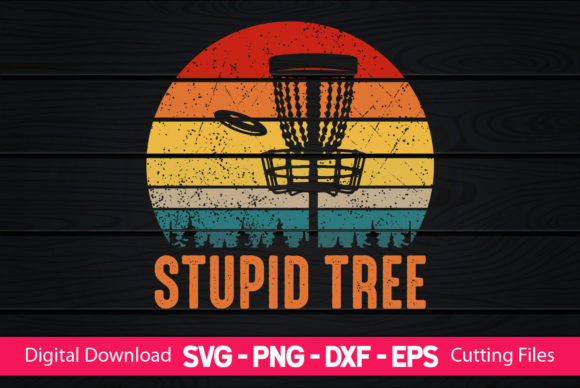
Stupid Tree Funny Dice Golf: A Designer Review
As a designer who has spent years navigating the intersection of digital graphics and physical stitching, I approach every new machine embroidery design with a critical eye. We are not just looking at pixels on a screen; we are visualizing how those lines translate into thread, tension, and fabric interaction. Recently, I evaluated the Stupid Tree Funny Dice Golf file, a piece that sits squarely in the Crafts and Graphics categories but demands a practical assessment before it hits a hoop. This is not merely a cute image; it is a potential asset for your handmade product line, your Etsy seller inventory, or your personal custom apparel projects.
The Visual Personality and First Impressions
When you first open the digital embroidery file for Stupid Tree Funny Dice Golf, the mood is immediately established. It is whimsical, slightly chaotic, and undeniably humorous. The concept combines the organic, perhaps slightly absurd shape of a "stupid tree" with the geometric randomness of dice, all tied together by the theme of golf. For a designer, this mix of elements presents an interesting challenge. The layout feels balanced enough to work as a focal point, yet the details suggest it needs careful handling to avoid looking cluttered once stitched.
In terms of design assets, this graphic has a strong visual personality. It screams "fun gift" or "boutique branding." However, the transition from a flat printable mockup to a three-dimensional embroidered object requires foresight. The curves of the tree and the sharp edges of the dice must be rendered with precision. If the stitch definition is too loose, the humor gets lost in a blob of thread. If it is too tight, the fabric may pucker. My initial impression is that this design shines when treated as a statement piece rather than a subtle accent.
Real-World Application: From Screen to Sweatshirt
Let's talk about a real scenario. Imagine you are preparing a limited run of sweatshirt embroidery for a local golf club's holiday party or a quirky gift shop. You want something that stands out against a heather grey fleece. Stupid Tree Funny Dice Golf fits this brief perfectly. The bold outlines would likely pop against the textured fabric, provided you select high-contrast thread colors. A bright green for the tree and stark white or red for the dice could create a vibrant, eye-catching finished product.
I can also see this working beautifully on a canvas tote bag design. Tote bags are a staple for the craft business owner because they offer a large, flat surface area. Here, the fill stitch areas of the tree and the satin stitch borders of the dice would have room to breathe without crowding each other. The durability of the tote bag material means the design can withstand frequent washing, making it a viable option for a commercial embroidery project where longevity matters. Customers buying these as personalized gifts will appreciate the tactile quality of the stitching compared to a simple screen print.
For those focusing on smaller items, like an embroidered patch or a cap, the design still holds potential, but with caveats. On a curved surface like a baseball cap, the placement becomes critical. The top of the tree might sit awkwardly if the cap panel is too small, causing the design to wrap around the seam. In such cases, adjusting the scale or repositioning the elements within the hoop is essential to maintain the integrity of the embroidery project.
Navigating Technical Challenges and Fabric Choices
While the aesthetic appeal is high, experienced designers know that technical execution is where many projects fail. Stupid Tree Funny Dice Golf contains specific areas that require attention. The dice, with their dots and edges, rely heavily on precise stitch density. If the density is too low, the dots may look sparse; too high, and the thread may bunch up, especially on stretchy fabrics.
Be cautious when using this design on thin or delicate materials. The weight of the thread required to define the tree and dice clearly could distort a light cotton shirt or a silk scarf. Always test the design on scrap fabric first. Check how the running stitch handles the finer details and ensure the hoop size accommodates the full width of the graphic without distorting the aspect ratio. If you are working with dark fabric, consider whether the background fill is sufficient to make the lighter colors of the dice visible, or if you need to add a backing layer.
Another critical factor is the stabilizer. Given the mixed nature of the design—combining organic shapes with geometric blocks—you will need a stabilizer that provides enough support to prevent shifting during the stitching process but does not leave a stiff residue on the final item. For a baby embroidery item, which requires softness, a water-soluble stabilizer might be preferable to tear-away options.
Strategic Considerations for Small Business Owners
If you are an Etsy seller or running a small shop product line, the commercial viability of Stupid Tree Funny Dice Golf depends on its uniqueness and market fit. This design taps into the niche of humorous, hobby-specific merchandise. Golfers often look for gear that reflects their passion with a touch of self-deprecating humor. By offering this as a holiday embroidery special or a personalized item, you can increase buyer engagement and perceived value.
However, professionalism is key. Ensure that the machine embroidery design you use is optimized for your specific machine. Do not assume that a file labeled for cutting machines will automatically work for embroidery without conversion or adjustment. Verify the file formats available. While the product description mentions SVG, PNG, DXF, and EPS files intended for cutting machines like Cricut and Silhouette, you must confirm if a dedicated embroidery file format (such as PES, DST, or EXP) is included or if you need to convert the vector data yourself. Converting a cut file to an embroidery file can sometimes result in unexpected stitch paths if not done carefully.
Before listing any finished product for sale, review the licensing terms thoroughly. Just because you purchased the digital graphic does not always mean you have the right to sell the physical embroidered items. Confirm whether the license allows for commercial embroidery use. This step protects your business and builds trust with your customers. Additionally, consider creating printable mockups that accurately represent the texture and dimension of the embroidery, so buyers know exactly what they are purchasing.
Final Verdict on Design Utility
Stupid Tree Funny Dice Golf is a versatile and engaging graphic that, when executed correctly, adds significant charm to various textile projects. Its strength lies in its ability to serve as a conversation starter on custom apparel, kitchen towels, or pillow covers. However, its success relies entirely on the designer's ability to manage stitch settings, fabric choices, and stabilizer application.
Do not rush this into production. Take the time to test the design on different fabric textures and compare light and dark backgrounds. Inspect the small details under magnification to ensure no threads are fraying or gaps are appearing. If you follow these practical steps, this design can become a standout piece in your portfolio, enhancing your brand consistency and delivering a high-quality handmade product that customers will love. Whether for a personalized gift or a craft fair display, the potential is there, provided you treat the digital file with the respect and technical skill it deserves.